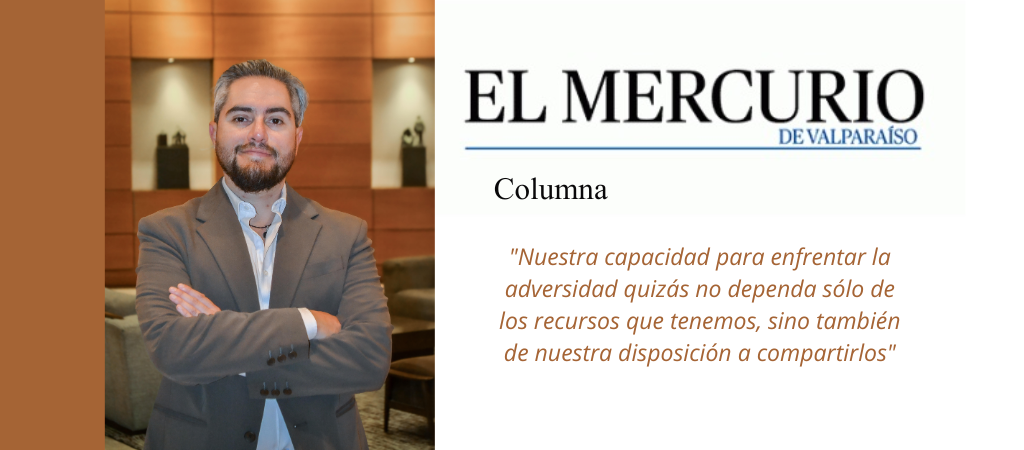
The Emotion and Social Decisions Lab (ESDLab) is pleased to share that Luis-Sebastián Contreras-Huerta, Principal Investigator at ESDLab and faculty member at Universidad Adolfo Ibáñez, recently published an opinion column titled “El cerebro altruista” (The Altruistic Brain) in El Mercurio de Valparaíso.
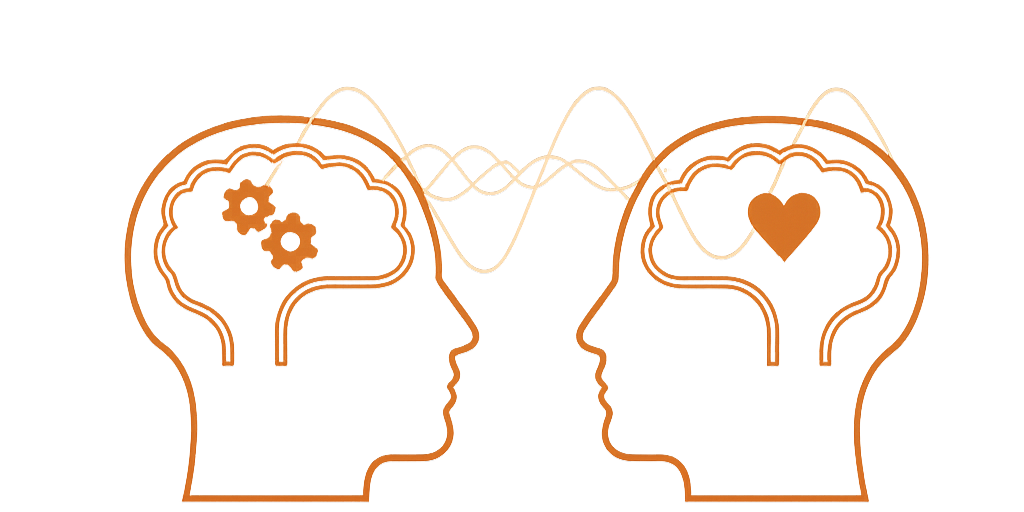
In the column, Sebastián reflects on one of the central questions of social neuroscience: why do people help others, even in situations of uncertainty, scarcity, or adversity?
Drawing on evidence from neuroscience and research on empathy, decision-making, and prosocial behavior, the article explains that understanding another person’s needs is only one part of helping. Acting prosocially also requires weighing the costs of helping—including time, effort, and available resources—and these evaluations are influenced by both biological and social factors.
The column also discusses how stressful contexts and socioeconomic adversity shape the way people make social decisions. Rather than reducing people’s willingness to help, recent evidence suggests that cooperation and social support can become especially valuable during challenging circumstances.
By bringing scientific evidence into a widely read newspaper, the article highlights the importance of communicating neuroscience beyond academia and contributing to public conversations about human behavior, resilience, and cooperation.
The opinion piece was also featured by the School of Psychology at Universidad Adolfo Ibáñez as part of its efforts to disseminate research and academic perspectives to the broader community.
We congratulate Sebastián on this contribution to public science communication and invite everyone to read the full column.
