The Altruistic Brain
The frontal system that recently affected Chile left thousands of people displaced and isolated. Just a few weeks ago, powerful earthquakes struck Venezuela, leaving people dead, injured, and displaced. In the face of such disasters, something seemingly paradoxical happens: people who are themselves experiencing fear, uncertainty, and scarcity choose to organize and help others. Why do we do this? Understanding how the brain transforms concern for others into action is one of the most fascinating questions in neuroscience.
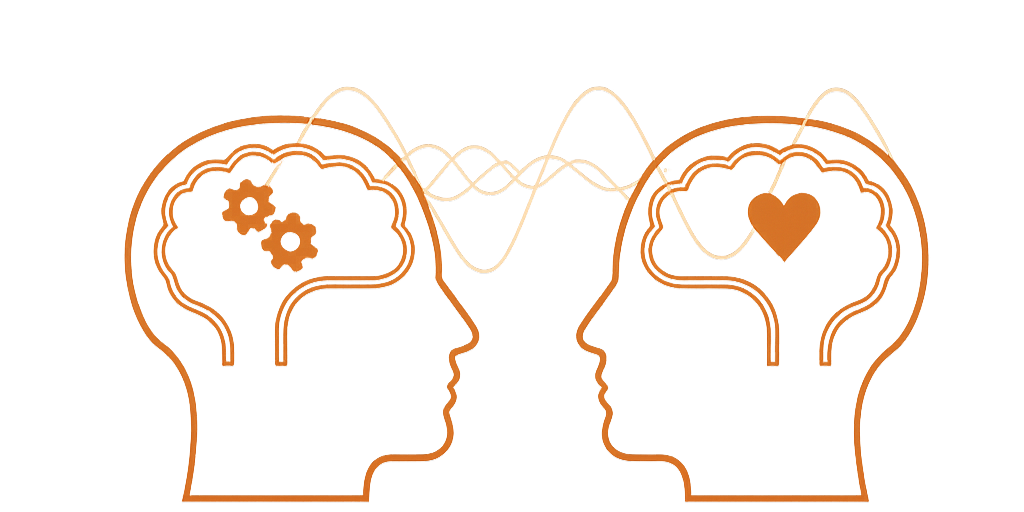
For decades, an intuitive answer was empathy. Our brains possess sophisticated mechanisms for understanding other people’s emotions and needs. But understanding does not necessarily mean acting. We may recognize that someone needs help and still ignore them. Between understanding another person and helping them lies a fundamental step: a decision. And taking action often comes at a cost, whether in time, money, or effort. The brain must not only understand what another person needs, but also determine how much we can invest. But in unequal societies like ours, what happens to those who live with fewer resources and under greater stress? We might assume that vulnerability reduces the willingness to help. However, our research suggests a different reality. We have observed that people from more vulnerable backgrounds may experience difficulties in certain cognitive and social processes without this implying a lower motivation to act. In fact, they may show a greater willingness to exert effort to benefit others.
One possible explanation lies in how the brain learns to manage its resources. Through internal signals from the body, it continuously estimates the resources available for action. Stress and uncertainty can alter this assessment and the way we decide to invest those resources. But this does not necessarily lead to selfishness. When we face adversity alongside others, building support networks can become enormously valuable. Under certain circumstances, helping is no longer simply a cost, and exerting effort for others can become valuable in itself. Cooperation can therefore become a strategy for collectively coping with uncertainty.
This distinction has important implications. If we want more cooperative societies, promoting empathy alone may not be enough. We need to understand what transforms this capacity into action and which social conditions facilitate that process. Reducing chronic stress and insecurity, strengthening community networks, or lowering barriers to helping could foster cooperation. Perhaps, then, we should not only try to change individuals, but also build environments that make it easier for us to help one another.
During the recent Brain Awareness Week, we celebrated what we have learned about this organ, but understanding the brain can also help us build better societies. Understanding why we choose to share can teach us something fundamental about the human brain: our ability to face adversity may depend not only on the resources we have, but also on our willingness to share them.
COLUMN PUBLISHED IN EL MERCURIO DE VALPARAÍSO
