Principal Investigator
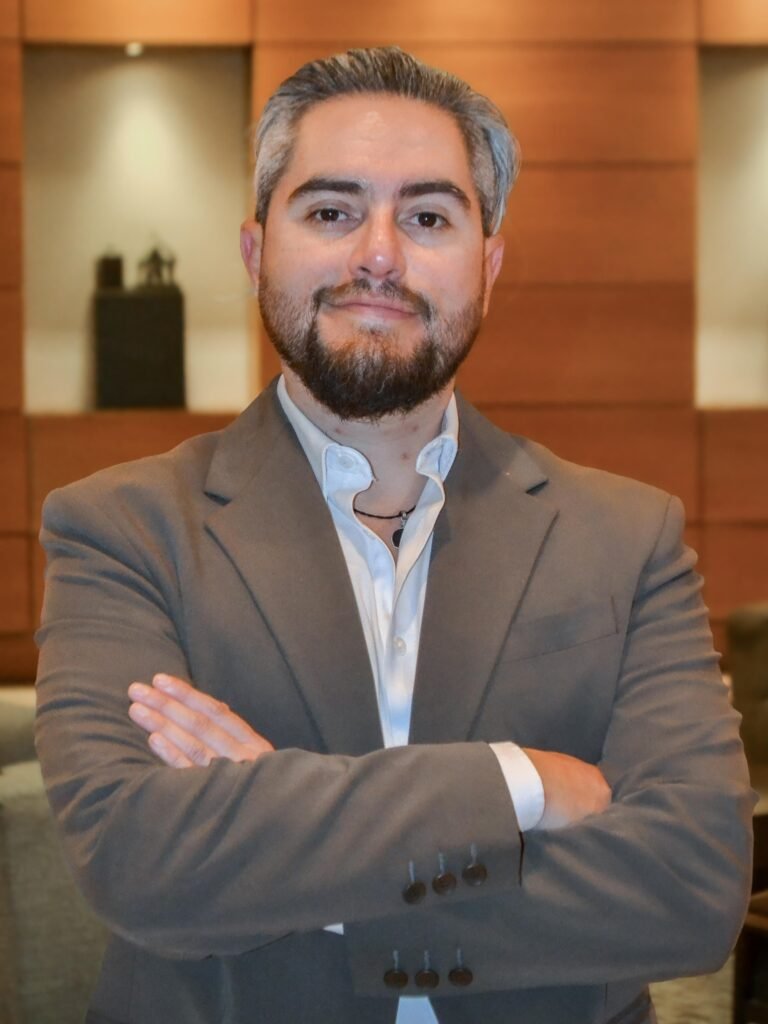
Luis Sebastián Contreras-Huerta
Research Director
Dr. Sebastian Contreras-Huerta is an Assistant Professor at the School of Psychology, Universidad Adolfo Ibáñez (UAI). Before joining UAI, he served as a postdoctoral research fellow at the Centre for Human Brain Health and the Institute for Mental Health, University of Birmingham. Dr. Contreras-Huerta earned his BSc in Psychology and professional Psychologist degree from Universidad de Valparaíso, Chile. He went on to complete an MSc in Neuroscience at the University of Queensland, Australia, and a PhD in Experimental Psychology at the University of Oxford. Prior to his doctoral studies, he was an associate researcher and lecturer at the School of Psychology, Universidad Diego Portales, Chile.
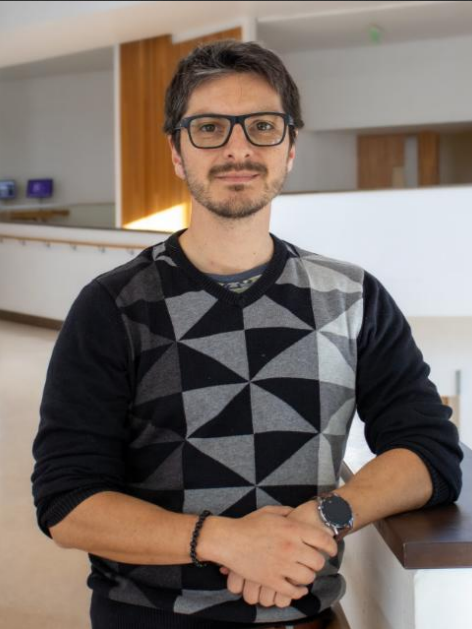
Felipe Rojas-Thomas
Technical Development Director
Dr. Felipe Rojas-Thomas is an Assistant Professor at the School of Psychology, Universidad Adolfo Ibáñez (UAI). Dr. Rojas-Thomas earned his BSc in Psychology and professional Psychologist degree from Universidad de Valparaíso, Chile. He also holds an MSc in Neuroscience and an MSc in Biology with a specialization in Neuroscience from Pontificia Universidad Católica de Chile and Universidad de Valparaíso, respectively. Additionally, he completed his PhD in Neuroscience at Pontificia Universidad Católica de Chile. During or after his doctoral training, he was affiliated with the Clinical Neuroscience Center at Universidad Austral and the School of Psychology at Universidad del Desarrollo.
Graduate Students

Emilio Recart
Second-year PhD student in Cognitive and Social Neuroscience
Psychologist and PhD candidate in Social Neuroscience and Cognition at Adolfo Ibáñez University, supervised by David Martinez-Pernia and co-supervised by Sebastián Contreras. He is also completing a specialization in data science applied to behavioral science and psychology. His research focuses on developing predictive models of subjective experience from multimodal neural data, particularly EEG, integrating machine learning and computational approaches to study cognitive and emotional processes. He has teaching experience at the University of Buenos Aires and the University of Maimonides and is supported by a doctoral scholarship at UAI.
Diego Garrido Cerpa
first-year PhD student in Cognitive and Social Neuroscience
Diego Garrido is a FONDECYT Research Assistant focus on pogramming, data analysis and EEG analysis within neuroscience research. He holds a Bachelor’s Degree in Psychology and Master’s Degree in Social and Cognitive Neuroscience, both from Universidad Adolfo Ibáñez. He’s currently working on Nicolás Marchant FONDECYT (PUCV) making computational models for causal reasoning, Monica Toro Doctoral Thesis (UDD) analysing HydroCel EEG and Sebastián Contreras FONDECYT (UAI) programming the experimental task. In his free time, Diego spend his time playing video games, study programming and doing exercise.
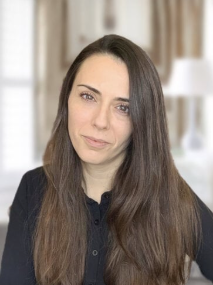

Fiorella Macchiavello Morales
second-year Master in Clinical Psychology
Psychologist from Universidad Adolfo Ibáñez, currently enrolled in the Master’s program in Clinical Psychology at the same institution. Since 2024, serves as a research assistant at the Emotions and Social Decision Lab (ESD Lab), contributing to research in social and cognitive neuroscience addressing empathy, social cognition, social vulnerability, and decision-making. Has experience in study design, experimental protocol development, behavioral and psychophysiological data collection, data analysis, and scientific writing. Additional clinical and teaching experience supports strong competencies in assessment, communication, and interdisciplinary work. Her current research focuses on cognitive capacity and socioaffective dimensions as transdiagnostic markers of socioeconomic vulnerability.
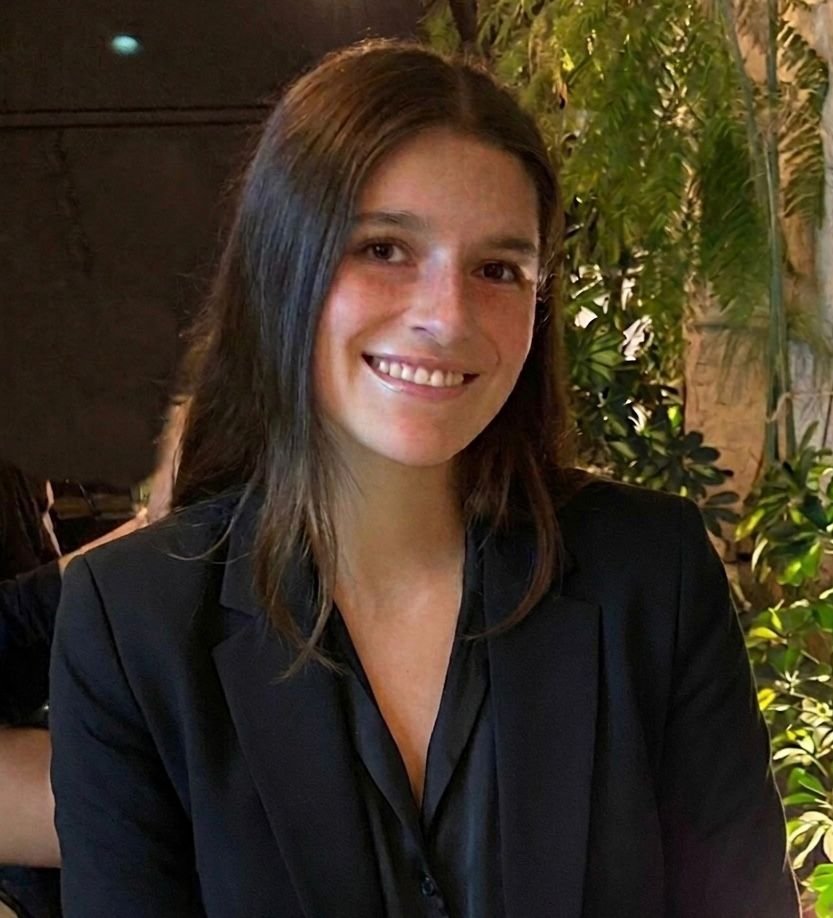
Paula Santorsola Jofré
second-year Master in Clinical Psychology
Psychologist from Universidad Adolfo Ibáñez, currently enrolled in the Master’s program in Clinical Psychology at the same institution. She conducted her thesis under the supervision of Professor Felipe Rojas-Thomas, investigating the development of self-regulation among Master’s students in Clinical Psychology during their initial professional practice with patients. Her research examines physiological responses (ECG and GSR) and stress reactivity across therapeutic sessions, with the aim of understanding how self-regulatory processes evolve as students gain clinical experience.
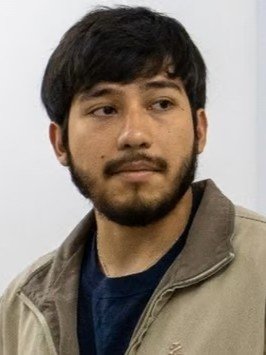
José Bórquez
second-year Master in Social and Cognitive Neuroscience
Student in the Master’s program in Social and Cognitive Neuroscience at Universidad Adolfo Ibáñez. He completed his Bachelor’s degree in Psychology at the same university. José has been involved in research focused on decision-making under stressful conditions, an area he would like to explore in the future. Additionally, he has participated in studies related to empathy, social vulnerability, and their effects on prosocial behavior, using physiological measures such as EEG, ECG, and eye-tracking. He is currently developing his thesis under the supervision of Dr. Sebastián Contreras. In his free time, José enjoys spending time with his cats, watching movies, and reading books.

Pía Valdivia Buholzer
Second-year Master in Social and Cognitive Neuroscience
Psychology graduate from Universidad Adolfo Ibáñez and final-year Master’s student in Social and Cognitive Neuroscience. Currently a Master’s researcher at ESDLab. Previous experience includes participation in Congreso Futuro and public engagement activities at the MUT, where she presented on EEG and eye-tracking applications in neuromarketing. She is also part of the Analysis Working Group, working with OSDR datasets provided by NASA (no direct affiliation). Her thesis research explores friendship and cognitive empathy, focusing on the unique role of this relationship compared to other affective bonds, using an experimental paradigm she contributed to designing.

Camila Leiva Varas
First-year Master in Social and Cognitive Neuroscience
Fourth-year Psychology and Master’s student in Social Neuroscience at Universidad Adolfo Ibáñez, with international training at the University of Trento (Italy), including experience with fNIRS. Collaborates at ESDLab using EEG, eye-tracking, and Biopac systems. Has experience in experimental research, quantitative data analysis (Python, R), and qualitative methodologies. Research interests include the interaction between neuroscience, emotional processes, and autoimmune diseases, with a focus on stress and its effects on mental and physical health.

Martina Ramírez Hernández
Fourth-year undergraduate student in Psychology. Research interests include the relationship between individuals and their environment, particularly the interaction with the natural environment and its influence on brain organization. Aims to explore evidence-based strategies to enhance quality of life, as well as the application of neuroscience in the development of public policies.
Laboratory Staff
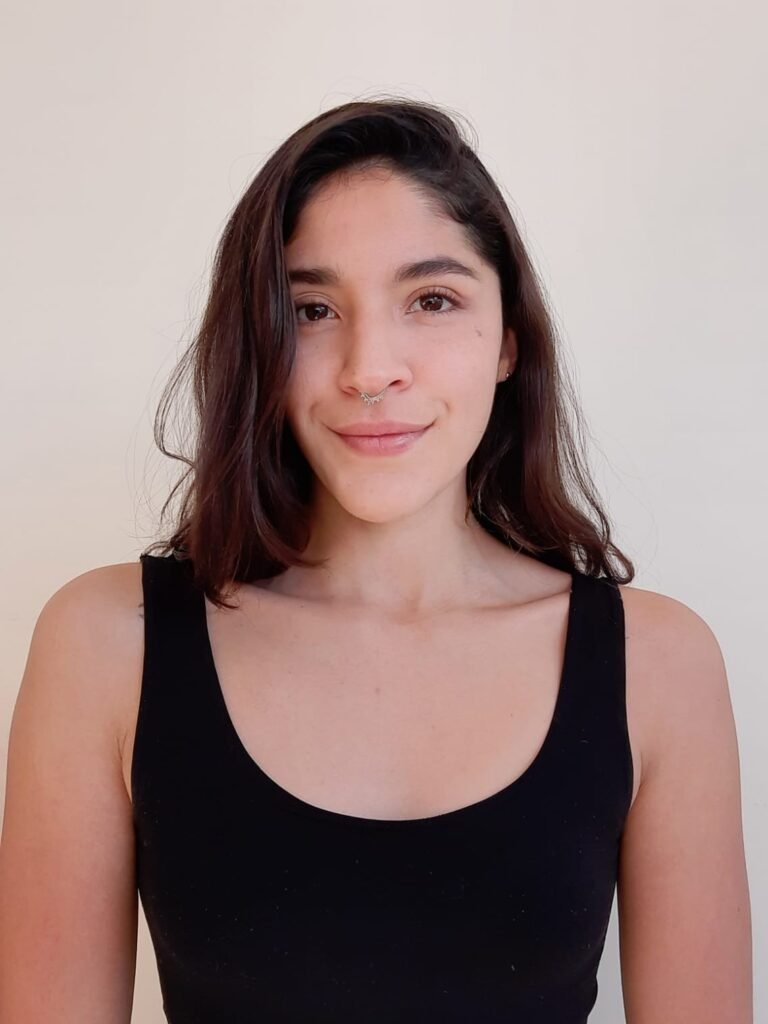
Consuelo Ruiz Moya
Lab Manager
Psychologist with a Master’s degree in Clinical Psychology from Universidad Adolfo Ibáñez and Lab Manager at ESDLab. She oversees laboratory operations, coordinates undergraduate Taller de Investigación Dirigida (TID), and manages FONDECYT grants. Her research experience includes experimental design and the collection of psychophysiological data (EEG, eye-tracking, Biopac), as well as contributions to projects on empathy and stress, including virtual reality interventions. She is also involved in the Empirical 5E Lab, working with micro-phenomenological interviews. Her research interests focus on empathy, stress, and the therapeutic potential of non-ordinary states of consciousness. She also works as a clinical psychologist.
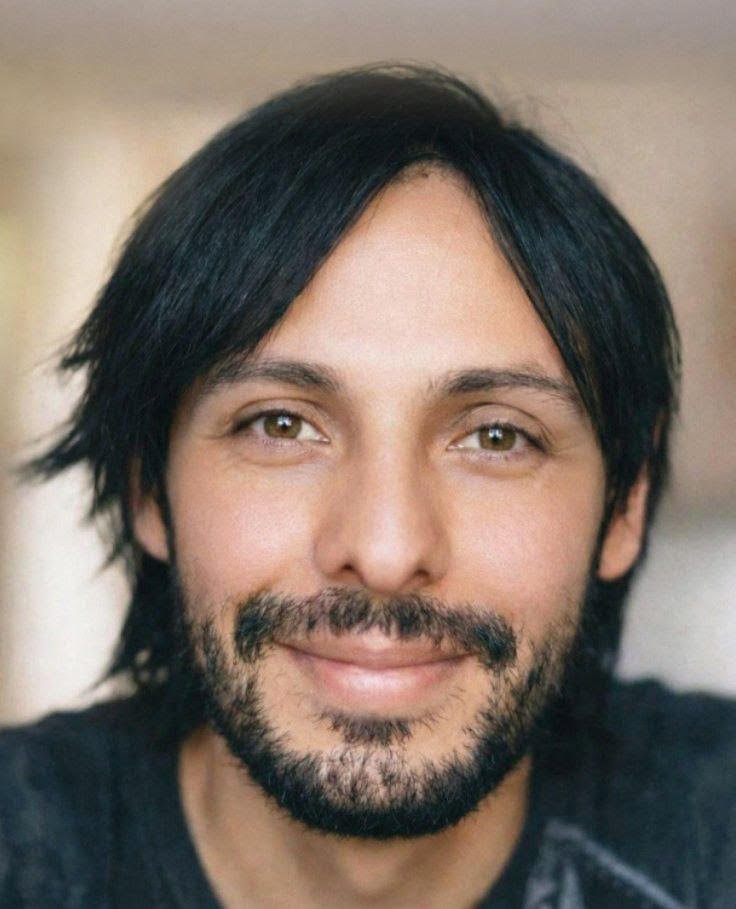
Roberto García Aguilar
Lab Technician
Research assistant specializing in the design and programming of experiments, computational modeling of behavior, and the analysis of EEG and other physiological signals in neuroscience research. He holds a Bachelor’s degree in Psychology from Universidad Diego Portales (UDP). He has worked as a laboratory technician at the first neuroeconomics center in Chile at UDP, as well as at the Neurodynamics of Cognition Laboratory at Pontificia Universidad Católica de Chile. He has also worked as a statistical programmer at the Centre for Cognitive and Social Neuroscience (CSCN) at Universidad Adolfo Ibáñez. His research interests include methodological innovation, experimental design, and the computational modeling of affective phenomena in both human behavior and language models. In his free time, he enjoys film and competitive programming.

Matias Carmach Monasterio
Research Assistant
Psychologist with a Master’s degree in Social Psychology from Universidad Adolfo Ibáñez and a Diploma in Statistics, with a specialization in Statistical Methods, from Pontificia Universidad Católica de Chile. He has also completed Harvard University’s CS50: Introduction to Computer Science, complementing his background in behavioral research with training in programming, computational thinking, and software development. His interdisciplinary profile combines psychological theory, experimental methodology, and quantitative methods, with experience using tools such as R, Python, and SQL for statistical analysis, data processing, visualization, and the development of research applications. At ESDLab, he contributes to the design and programming of experimental paradigms and to the collection and processing of behavioral, psychometric, and physiological data. His projects include ALEPH, an open-source platform for administering neurocognitive assessments, and a data analytics platform containing more than 1.3 million articles from Chilean news outlets. His interests include psychometrics, neuropsychological assessment, experimental psychology, statistical programming, large-scale social data analysis, and the application of quantitative methods to public policy and complex social problems.
Undergraduate students
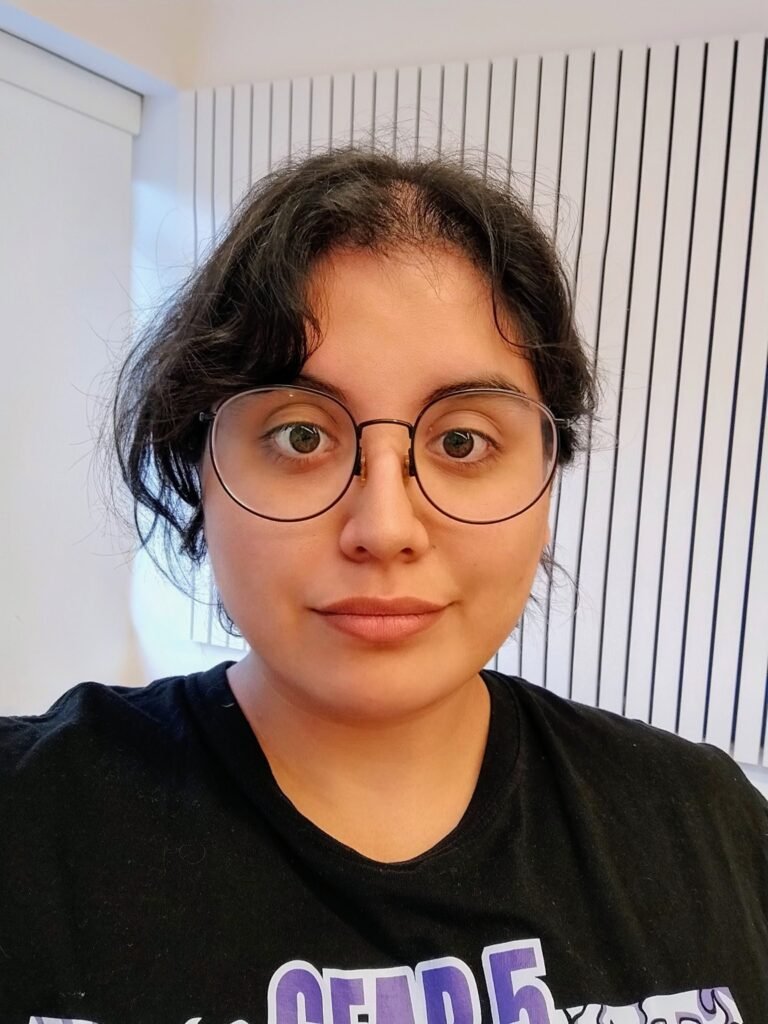
Faustina Pinto Bidegain
Third-year
Third-year undergraduate student. Research interests include human behavior and decision-making, with a focas on understanding the mechanisms underlying human action. Teaching assistant for the Motivation and Creative Thinking course and participant in the 2026 Directed Research Workshop.
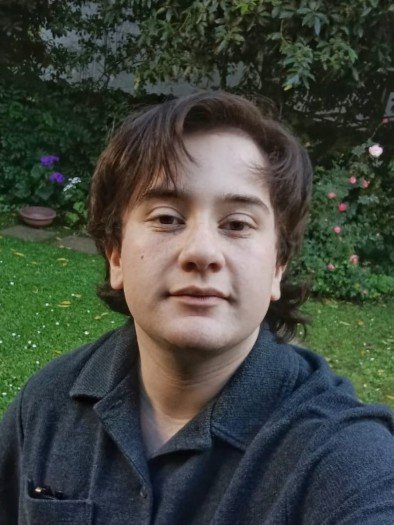
Julio Núñez Abarca
Third-year
Third-year undergraduate student in Psychology at Universidad Adolfo Ibáñez (UAI). Served as an academic tutor for Introduction to Cognitive Sciences and has been involved in multiple training and research initiatives. Primary research interests are neuropsychology and social cognition.

Martín Laferte
Third-year
Martin Laferte is a student in the Bachelor’s degree in Psychology at Universidad Adolfo Ibañez. He’s particularly interested in consciousness and psychedelics as a psychotherapy tool. In his free time, Martín enjoys playing guitar and singing, watching documentaries and playing with his cats.
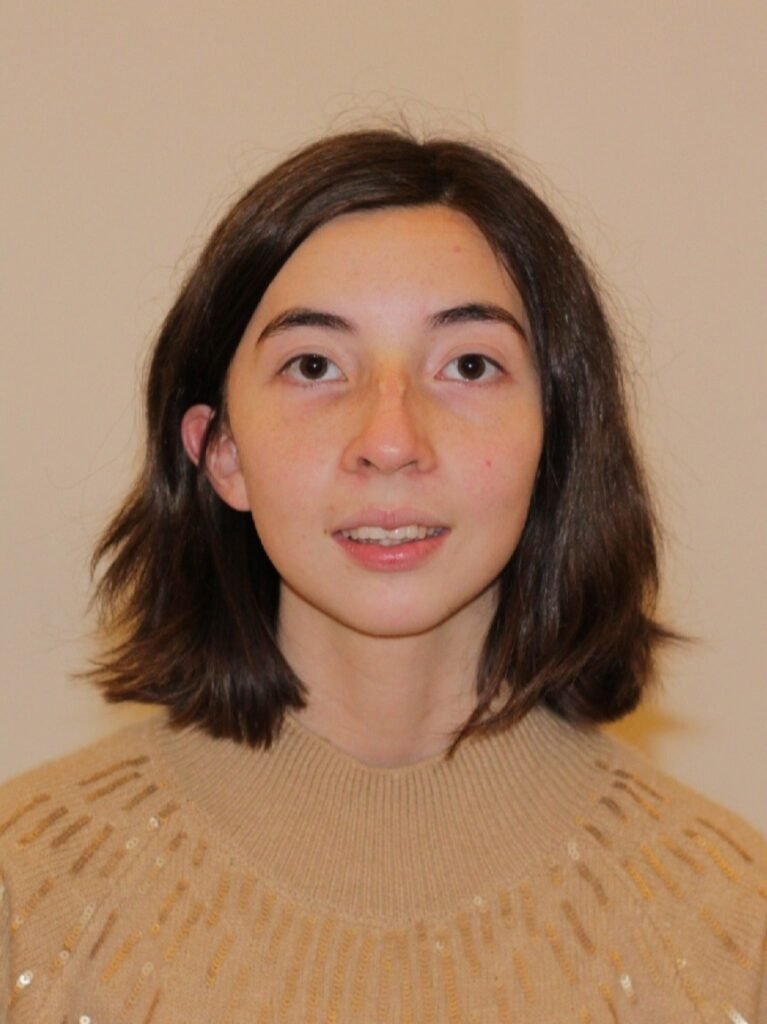
Sofía Silva Candia
Third-year
Third-year undergraduate student in Psychology, former assistant at ESDLab, and participant in the 2026 Directed Research Workshop. Research interests include forensic psychology and the functions of the amygdala and hippocampus.

Felipe Méndez
Third-year
Third-year undergraduate student in Psychology, interested in electrophysiological biomarkers and machine learning models for the early detection of neurodegenerative diseases, particularly Alzheimer’s and Mild Cognitive Impairment. Motivated by the potential to develop diagnostic tools that support early intervention and improve people’s quality of life.